Discover how IT services for small business, especially backup and disaster recovery plans, can influence your insurance and loan rates significantly.

October 23, 2026
Modern businesses depend on reliable network and security solutions to protect data and support remote work. Secure edge services are changing how companies manage access and keep information safe, especially as more work happens outside the office. In this blog, you’ll learn what a secure edge is, how it works, the main components, and why it’s becoming essential for organizations. We’ll also cover the benefits, key features, practical steps for implementation, and answer common questions about secure edge services. You’ll understand how these services provide secure, flexible access to cloud applications and support a strong security posture for your business.
Secure edge services are a set of tools and technologies that protect your network at the edge—where users connect from different locations, like home or branch offices. Instead of relying only on traditional network security, these services use cloud-based solutions to deliver consistent protection no matter where users are. This approach is especially helpful for businesses with remote teams or multiple offices.
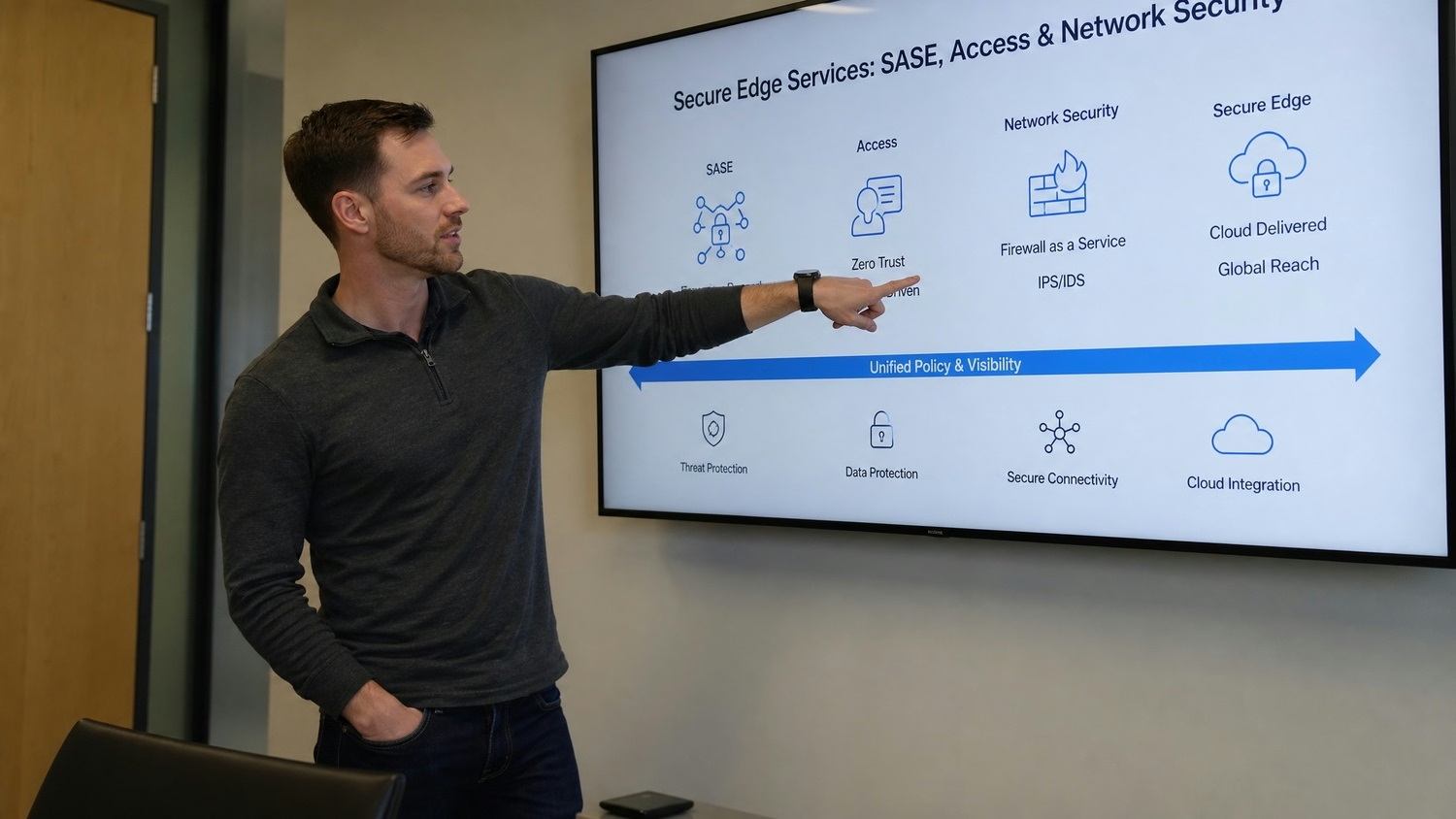
Secure Access Service Edge (SASE) is a popular framework for secure edge services. SASE combines network and security functions into a single, cloud-delivered service. This means you get features like secure web gateways, cloud access security, and zero-trust network access all in one place. By using SASE, companies can provide secure access to applications and data, reduce risk, and simplify their security model.
Getting the most out of secure edge services requires careful planning and the right mix of tools. Here are some important strategies to consider:
Selecting a SASE solution that fits your business needs is critical. Look for a platform that combines network access, security, and cloud service protection in one package. This will help you manage everything from a single dashboard and reduce complexity.
Zero trust network access means no one is trusted by default, even if they are inside your network. This approach checks every user and device before granting access, which helps block threats and unauthorized users.
A secure web gateway filters internet traffic and blocks harmful sites or downloads. By using this tool, you can prevent malware and phishing attacks from reaching your users, no matter where they are working.
Cloud access security brokers (CASBs) monitor and control access to cloud applications. They help you enforce security policies, detect risky behavior, and protect sensitive data stored in the cloud.
Consistent security policies make sure everyone in your organization follows the same rules, whether they’re in the office or working remotely. This reduces confusion and helps your security teams respond quickly to threats.
Remote access is now a standard part of business. Monitoring who connects, when, and from where helps you spot unusual activity and respond to issues before they become bigger problems.
Keeping your security tools up to date is key. Regular updates fix vulnerabilities and add new features to help you stay ahead of threats.
Secure edge services offer several important features:

SASE architecture brings together network security and access control in a single cloud-based platform. This design allows businesses to manage security services more efficiently and respond to new threats faster. With SASE, you can deliver consistent security across all locations and devices, making it easier to protect data and support remote work.
One of the main benefits of SASE is its ability to scale as your business grows. You can add new users, offices, or cloud services without having to rebuild your entire network. This flexibility helps you stay agile and meet changing business needs.
The SASE framework is made up of several key components. Each one plays a specific role in keeping your network secure and accessible.
A secure web gateway protects users from unsafe websites and downloads. It scans traffic for threats and blocks anything suspicious before it reaches your network.
A cloud access security broker (CASB) manages and monitors access to cloud services. It helps enforce security policies and ensures only authorized users can reach sensitive data.
Zero trust network access checks every user and device before granting access, no matter where they are connecting from. This reduces the risk of unauthorized access and data breaches.
Firewall as a service delivers firewall protection from the cloud. It filters traffic, blocks attacks, and helps you manage network security without needing on-site hardware.
Data security controls protect sensitive information as it moves across your network. These controls include encryption, monitoring, and access restrictions.
Consistent security policies ensure that everyone follows the same security rules, whether they are in the office or working remotely. This helps maintain a strong security posture.
A centralized management platform brings all these components together. It lets you monitor, update, and enforce security settings from one place, saving time and reducing errors.

Implementing secure edge services with a SASE framework takes planning and coordination. Start by reviewing your current network and security setup to identify gaps or outdated systems. Next, choose a SASE offering that matches your business needs and supports your existing cloud services.
Work with your IT and security teams to set up access controls, security policies, and monitoring tools. Make sure everyone understands the new processes and receives training on how to use the system. Regularly review and update your security posture to keep up with new threats and business changes.
To get the most out of secure edge services, follow these best practices:
Following these steps will help you provide secure access to applications and protect your business from modern threats.

Are you a business with 40-100 employees looking to improve your network security and support remote work? Growing companies often face new challenges as they expand, especially when it comes to managing access and protecting sensitive data. Our team understands these needs and can guide you through every step of implementing secure edge services.
We help you choose the right SASE solution, set up consistent security policies, and provide ongoing support to keep your network safe. If you want to provide secure access to cloud applications and ensure your security posture is strong, contact us today to learn how Axios Technology Partners can help.
Secure edge services use cloud-delivered security to protect users wherever they connect, while traditional network security often relies on on-site hardware. With secure edge, you get consistent security policies and easier management, even for remote or mobile users. This approach helps businesses adapt to changing work environments and new threats.
By using secure access service edge (SASE) and cloud access security, companies can provide secure access to cloud resources and applications. This makes it easier to scale and manage security as your business grows.
Secure edge services make it simple for employees to connect safely from any location. They use tools like zero trust network access and VPN alternatives to verify users and devices before granting access. This reduces the risk of unauthorized entry and keeps sensitive data protected.
Network and security functions are delivered through the cloud, so users get the same level of protection whether they’re in the office or working remotely. This flexibility supports modern work styles and helps maintain a strong security posture.
The main components of SASE include secure web gateway, cloud access security broker, zero trust network access, firewall as a service, and data security controls. Each part plays a role in blocking threats, managing access, and protecting data across your network.
SASE architecture brings these components together in a single cloud-based platform. This makes it easier to manage security services and respond quickly to new risks.
SASE implementation helps growing businesses by simplifying network security and making it easier to add new users or locations. You can manage everything from a centralized dashboard and apply consistent security policies across your organization.
By using a SASE platform, you can provide secure access to cloud applications and support remote teams. This flexibility helps you adapt to business changes and keep your data safe.
SSE (Security Service Edge) focuses on security functions like secure web gateway, cloud access security broker, and zero trust network access. SASE includes these security services plus network access features, such as SD-WAN.
Choosing between SSE and SASE depends on your business needs. If you need both network and security services in one solution, SASE is the better choice.
Businesses can ensure consistent security by setting up clear security policies and using centralized management tools. This allows you to monitor, update, and enforce rules across all users and locations.
Working with trusted security teams and regularly reviewing your security posture helps you stay ahead of threats. Secure edge services make it easier to provide secure access and protect your business as it grows.