Discover how IT services for small business, especially backup and disaster recovery plans, can influence your insurance and loan rates significantly.

October 23, 2026
Understanding what security awareness training is is essential for any business that wants to protect itself from cyber threats. In this blog, you’ll learn what security awareness training means, why it matters, and how it helps reduce human risk. We’ll cover how a training program works, the benefits you can expect, and the best practices for building a strong security culture. You’ll also find practical advice for implementing an awareness program, common challenges, and answers to frequently asked questions. If you want to empower your team to spot phishing and other cyber attacks, this guide is for you.
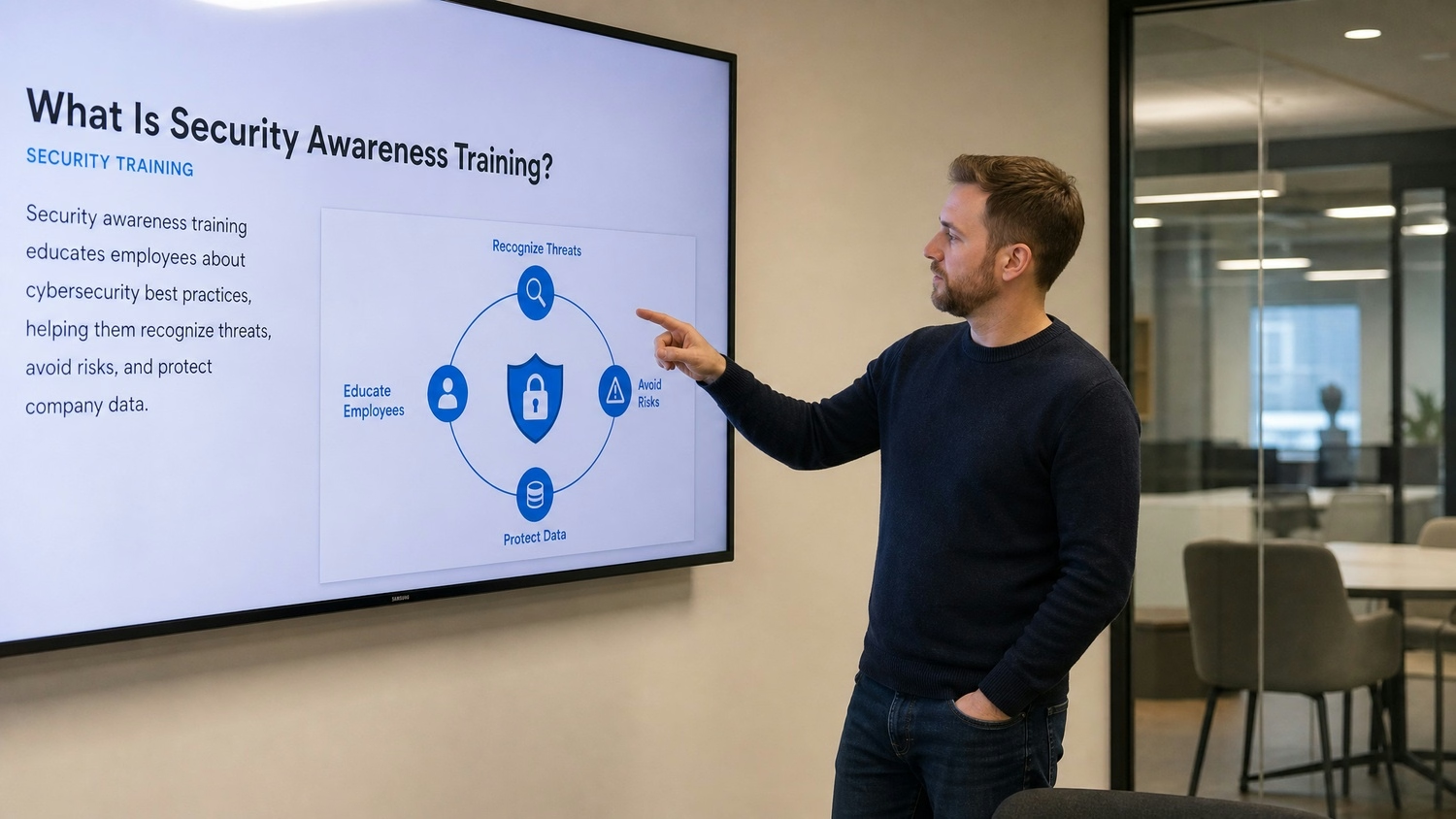
Security awareness training is a structured process that teaches people how to recognize and respond to online threats. It’s not just about following rules—it’s about helping everyone in your company understand the risks and how their actions can prevent a breach. This training covers topics like phishing, social engineering, and safe internet habits.
A good security awareness training program helps reduce the chances of a data breach by making sure everyone knows what to look out for. When employees are trained, they become your first line of defense against cyber attacks. The goal is to create a security culture where everyone feels responsible for protecting information security.
Companies that invest in security awareness training often see fewer incidents and better security overall. By teaching your team how to spot threats, you’re empowering them to make smarter decisions every day.

Building a strong security awareness training program takes more than just sending out a few emails. Here are some key strategies that make a real difference:
Start by explaining why security awareness training matters. When people understand the risks and what’s expected of them, they’re more likely to take the training seriously. Make sure your team knows how their actions can help prevent a breach.
Don’t rely on one-time sessions. Use short, focused modules that cover current threats like phishing and social engineering. This keeps the information fresh and helps employees remember what they’ve learned.
Simulations, like phishing tests, give employees a safe way to practice spotting threats. These hands-on exercises help people recognize real attacks and build confidence in their skills.
When leaders participate in the awareness program, it shows everyone that security is a priority. Encourage managers to take part in training and talk about its importance.
Set clear, measurable goals for your training program. Track participation and test results to see where improvements are needed. This helps you show the benefits of security awareness training to decision-makers.
Cyber threats change quickly. Update your training courses often and ask for feedback from employees. This helps keep the program relevant and effective.
Reward employees who do well in simulations or show good security habits. Positive feedback encourages behavior change and helps build a strong security culture.
A strong training program offers many advantages for your business:

Human error is one of the main causes of cyber incidents. Security awareness training addresses this by educating employees about the dangers of phishing, malware, and unsafe online behavior. When people know what to watch for, they’re less likely to fall for scams or make mistakes that lead to a breach.
A strong awareness program also helps employees understand the impact of their actions. For example, clicking on a suspicious link can lead to a data breach that affects the whole company. By making security part of everyday routines, you reduce human risk and create a safer work environment.
The benefits of security awareness training go beyond just avoiding attacks. It empowers your team to make smart choices and helps you build a reputation for better security.
Creating an effective program involves several important steps. Here’s how to get started:
Begin by identifying the biggest threats to your business. Look at past incidents and ask employees about their experiences with phishing or other attacks. This helps you focus your training on real-world risks.
Decide what you want to achieve with your training program. Goals might include reducing the number of successful phishing attacks or improving test scores on simulations.
Pick courses that match your company’s needs. Look for modules that cover topics like social engineering, password safety, and safe internet use. Make sure the content is easy to understand and relevant to your team.
Plan ongoing sessions instead of one-time events. Regular training helps people remember what they’ve learned and keeps security top of mind.
Phishing simulation exercises give employees a chance to practice spotting threats. These tests help you measure progress and identify areas for improvement.
Ask employees what they think about the training. Use their feedback to make improvements and keep the program engaging.
Track participation and test results to measure training success. Celebrate milestones and recognize employees who show good security awareness.
Rolling out a new training program can be challenging, but these tips can help:
Start by getting support from leadership and explaining the benefits of security awareness training to everyone. Make the training easy to access and fit it into employees’ schedules. Use a mix of videos, quizzes, and live sessions to keep things interesting. Remember to update the content regularly to address new threats. Finally, encourage open communication—let employees ask questions and share their concerns.
By following these steps, you’ll create a program that not only educates but also motivates your team to take security seriously.
Keeping your program effective requires ongoing effort. Here are some best practices:
Staying proactive helps maintain a strong security culture and reduces the risk of incidents.

Are you a business with 40-100 employees looking to improve your security awareness training? If you’re growing and want to protect your company from cyber threats, our team can help you build a reliable and effective training program.
We understand the challenges of educating employees and reducing human risk. Axios Technology Partners offers tailored solutions that fit your needs, including simulations, ongoing support, and measurable results. Contact us today to learn how we can help you achieve better security and peace of mind.
A typical security awareness training program covers topics like phishing, password safety, and safe internet use. It usually includes interactive modules, quizzes, and simulations to help train employees on real-world threats. The goal is to build good security habits and reduce the risk of a breach.
Most programs are updated regularly to address new cyber threats. By focusing on practical skills, these programs help employees become a strong line of defense for your company.
It’s best to update your security training courses at least once a year, or whenever new threats emerge. Regular updates keep your awareness program relevant and effective. This ensures employees are always prepared to handle the latest cyber risks.
Frequent updates also show your commitment to information security. Keeping content fresh helps maintain employee engagement and training success.
Security awareness training helps small businesses reduce risk by teaching employees how to spot and avoid cyber attacks. It empowers your team to make safer choices, which can prevent costly incidents.
Other benefits include meeting compliance requirements and building a culture of security. Investing in training is a smart way to protect your business and support growth.
You can measure the success of your security awareness program by tracking participation rates, quiz scores, and the results of phishing simulations. These metrics show how well employees are learning and applying best practices.
Regular reviews help you identify areas for improvement. By making your results measurable, you can demonstrate the value of your training program to leadership.
Cybersecurity training often focuses on technical skills for IT staff, while security awareness training is designed for all employees. Awareness training teaches people how to recognize threats like phishing and social engineering.
Both types of training are important for reducing human risk and building a strong security culture. Combining them helps protect your business from a wide range of cyber threats.
Make security training engaging by using real-life examples, interactive modules, and simulations. Recognize employees who show good security awareness and provide positive feedback.
Leadership support is also key. When managers participate and talk about the importance of training, employees are more likely to take it seriously and help create a safer workplace.